Ukraine Health Insurance Options for UK Residents
For UK residents moving to or visiting Ukraine, securing comprehensive health insurance is essential to cover medical evacuation and local healthcare costs. Understanding the specific coverage requirements, especially given the ongoing conflict and regional travel restrictions, ensures you remain protected. Always verify your policy explicitly includes coverage within Ukraine’s current travel advisories.
Why British Expats Need Private Medical Cover in Ukraine
Moving to Ukraine as a British expat is an incredible adventure, but sorting out your healthcare is seriously important. The local state system can be overwhelmed, and language barriers often make simple consultations a nightmare. That’s why having private medical cover in Ukraine is a non-negotiable safety net. It gives you direct access to top-tier international clinics in cities like Kyiv and Lviv, where doctors speak fluent English and the care standards match what you’d expect back home. Without it, even a sprained ankle could lead to hours of stressful bureaucracy. Better to pay for a policy than pay through the nose for peace of mind. Most UK-friendly plans also include emergency evacuation – a lifesaver given the ongoing regional instability. In short, British expats need reliable health insurance to avoid ridiculous bills and get treated quickly. Don’t gamble with your wellbeing abroad.
Differences between the Ukrainian public healthcare system and UK’s NHS
Living in Ukraine as a British expat brings unique challenges, especially with the healthcare system under martial law. Public hospitals often lack English-speaking staff and face shortages of essential medicines and equipment. Private medical insurance for expats in Ukraine is a necessity, not a luxury, because it guarantees access to Western-standard clinics in Kyiv and Lviv that avoid long queues and offer faster treatment. With ongoing conflict risks and potential injuries from missile strikes, evacuation coverage is another critical factor—your policy can arrange medical transport out of the country if needed. Without it, you could face enormous out-of-pocket costs or delays that put your health at serious risk.
Common coverage gaps that catch UK residents off guard
British expats living or working in Ukraine face a healthcare system that remains under severe strain from ongoing conflict, limiting access to reliable, English-speaking providers. Private medical cover for British expats in Ukraine is not a luxury but an operational necessity. The public system lacks advanced diagnostics, trauma care, and dependable ambulance response times. With private insurance, you bypass bureaucratic delays, secure immediate evacuation to a Western-standard facility, and access specialist consultations without language barriers. Coverage for medical evacuation—often critical in volatile zones—is rarely available through state services. Without this safety net, routine injuries or illnesses can become urgent, complex crises. Relying on local provision is a calculated risk your health cannot afford.
Emergency evacuation risks from conflict-affected zones
British expats in Ukraine face a healthcare system strained by conflict, where state facilities often lack Western-standard equipment, English-speaking staff, or resources for complex procedures. Private medical cover is essential for expat safety in Ukraine, ensuring access to evacuation services, trauma care, and world-class clinics in Kyiv or Lviv. Without it, a sudden injury or illness could lead to overwhelming costs or delayed treatment. Your health shouldn’t depend on language barriers or overwhelmed hospitals.
- Evacuation to EU hospitals for serious cases is a key benefit.
- Coverage includes war-related injuries, which state insurance often excludes.
- Direct billing avoids cash upfront in expensive private hospitals.
Types of Health Plans Available for British Nationals in Ukraine
When it comes to staying covered in Ukraine, British nationals have a few solid routes for health plans. The most straightforward option is comprehensive international private medical insurance, which covers everything from doctor visits to emergency evacuation—a must if you want peace of mind. Another choice is a local state-backed policy, often arranged via a Ukrainian provider, but this can be tricky if you don’t speak the language fluently. Many expats also rely on travel insurance with extended stay clauses, but double-check it covers pre-existing conditions. Do your homework before signing anything, as coverage for war zones can be surprisingly limited. For long-term residents, consider a global health plan with a Ukraine-specific add-on. International health insurance is usually the safest bet for access to private clinics in Kyiv or Lviv. Always read the fine print on exclusions, especially for political unrest—specialist cover for British expats is worth the extra cost.
Comprehensive international policies versus local Ukrainian insurers
British nationals in Ukraine have access to several robust health plan options, ensuring comprehensive medical coverage. The most comprehensive international health insurance plans typically cover inpatient and outpatient care, emergency evacuation, and repatriation. For those requiring routine and specialist consultations, local private insurance from Ukrainian providers like ASK-A or UNIQA offers affordable, in-network access within major cities, with plans often including dental and maternity benefits. Additionally, expatriate-focused group schemes, such as those via AXA or Cigna, provide flexible, tiered coverage that can include chronic condition management and direct billing at top Kyiv clinics. For shorter stays, travel insurance with medical cover up to £10 million is essential, though it excludes pre-existing conditions. We strongly advise pairing a quality global policy with a local Ukrainian plan to eliminate gaps in emergency response and routine care.
Short-term travel insurance vs. long-term expatriate medical plans
British nationals in Ukraine can choose from several health plans, each tailored to different needs. Private international insurance is the most reliable option, offering coverage for evacuation and specialist care in Kyiv or Lviv, while local private insurance may suit shorter stays. Some expats rely on the UK’s GHIC card for basic state-funded treatment, but this is limited in wartime. Comprehensive private medical insurance is essential for expats in Ukraine.
Consider these common paths:
- International cover: Full evacuation and private clinic access. Ideal for long-term residents.
- Local private plans: Cheaper, but often exclude war zones or require upfront payment.
- GHIC/state system: Only for urgent care in public hospitals, with language barriers and limited resources.
“After the air raid siren, I knew my international policy wasn’t just paperwork—it was my lifeline to a German hospital within hours.”
For digital nomads or short-term visitors, travel insurance with a “war exclusion” waiver is risky; instead, seek providers explicitly covering conflict zones. War zone-specific policies often include security evacuation. Researching broker-recommended plans before arrival saves stress—one British teacher in Odesa switched to a regional policy after her first insurer denied a transport claim.

Specialised war-risk and political violence add-ons
British nationals in Ukraine can access several health plan types, typically through international private medical insurance (IPMI) or local private clinics. The most common option is comprehensive international health insurance, which covers inpatient and outpatient care, emergency evacuation, and repatriation. Additionally, the UK’s Global Health Insurance Card (GHIC) may provide limited state healthcare access, though this is often restricted in practice. Private insurance is strongly recommended due to the ongoing security situation and variable public healthcare quality.
- International Private Medical Insurance (IPMI): Offers broad coverage including specialist consultations, hospitalization, and medical evacuation. Policies must explicitly cover Ukraine and crisis-related risks.
- Local Private Insurance: Purchased from Ukrainian insurers like ASKA or UNIQA; cheaper but limited to in-country care, often excluding evacuation.
- GHIC (UK Global Health Insurance Card): Entitles holders to necessary state-provided healthcare on the same terms as locals, but coverage is minimal and does not include private treatment or repatriation.
Key Coverage Features Every UK Resident Should Prioritise
When sorting out your protection, focus on buildings and contents insurance as your absolute must-have – it shields your home’s structure and everything inside from theft, fire, or floods. Next up, ensure your policy includes accidental damage cover, especially if you’ve got kids or pets who might knock over a telly or spill wine on the carpet. Don’t overlook legal expenses cover either, which can save you thousands if a neighbour’s leak ruins your kitchen. For gadget users, personal belongings cover outside the home is a lifesaver. Check the sum insured matches what you’d actually need to rebuild or replace, not the market value of your property. Finally, opt for a policy with no compulsory excess or a low one to avoid nasty surprises when you claim.
Inpatient hospitalisation and outpatient clinic access
For UK residents, securing comprehensive protection requires focusing on core policy pillars that safeguard against financial shocks. Prioritise buildings insurance to cover structural damage from storms, fires, or flooding, which are increasingly common. Contents insurance is equally vital for replacing personal belongings like electronics and furniture. A single burst pipe can cost thousands, yet many households overlook this risk. Critically, check for legal expenses cover, which helps with employment disputes or property boundary issues. Also ensure your policy includes accidental damage cover, as standard plans often exclude this. Finally, confirm 24/7 emergency assistance for plumbing or heating failures—crucial during British winters. Without these layers, a seemingly minor incident could become a devastating financial blow.
Medical evacuation and repatriation to the UK
For UK residents, the most critical coverage feature to prioritise is comprehensive protection against income disruption. This includes income protection insurance, which pays a monthly benefit if you cannot work due to illness or injury, and critical illness cover, which provides a lump sum upon diagnosis of specified conditions. A robust policy should also incorporate family-focused elements. Key elements to evaluate include:
- Moratorium clauses for pre-existing conditions in relevant policies.
- Waiver of premium if you are unable to work for an extended period.
- Indexation to adjust cover against inflation.
- Deferred period options that balance premium cost with cash-flow needs.
Prioritising a policy that aligns with the Financial Conduct Authority (FCA) guidelines ensures fair treatment and transparent terms. Always verify the insurer’s claims payout ratio and the specific definitions of illness or disability used in the contract.
Prescription drugs, dental emergencies, and mental health support

UK residents must prioritise comprehensive medical coverage, including outpatient and specialist referrals, to avoid hefty private healthcare bills. Private medical insurance policies should also clearly outline pre-existing condition exclusions and mental health support. For travel, ensure a policy covers emergency repatriation and lost luggage. Without robust cancellation protection, a sudden illness could cost you thousands. Critical illness cover is non-negotiable for income protection during long-term recovery. Compare policy excesses and annual limits carefully:
- Hospital stay & surgery cover
- Outpatient diagnostics (MRI, CT scans)
- Prescription medication reimbursement

Always verify the insurer’s UK network and 24/7 claims helpline before purchasing.
Navigating Ukraine’s Insurance Market as a Foreigner
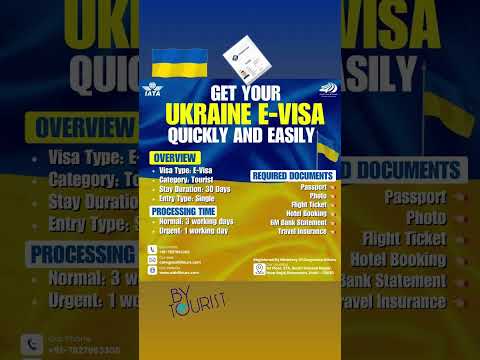
Navigating Ukraine’s insurance market as a foreigner requires understanding a system that is distinct from Western norms. The primary hurdle is the language barrier, as most contracts and policy documents are exclusively in Ukrainian, though some larger international-facing brokers offer English support. For mandatory policies, such as motor third-party liability (MTPL) for vehicle registration, you must purchase from a licensed local provider. For health and property coverage, it is often recommended to work with a specialized broker who can negotiate terms and ensure claims processes are clear. Comprehensive coverage for expatriates is available but requires careful vetting of an insurer’s financial stability and claims reputation. Finally, be prepared for bureaucracy; policies may include strict exclusions for war or civil unrest, and you must verify that your coverage applies in currently active conflict zones or occupied territories. Navigating Ukraine’s insurance market successfully hinges on due diligence and professional guidance.
Legal requirements for work permits and temporary residency
Navigating Ukraine’s insurance market as a foreigner requires understanding its post-war regulatory shifts and mandatory coverage rules. Foreigners typically must secure mandatory motor third-party liability insurance (MTPL) and, for visa or residency purposes, comprehensive health insurance from licensed local providers. Key challenges include language barriers, as most contracts are in Ukrainian, and limited digital access for non-residents.
- Health insurance: Required for residency permits; look for policies covering war-related risks.
- Property insurance: Highly recommended for rental apartments, often required by landlords in Kyiv.
- Auto insurance: EU green card accepted for temporary stays; local MTPL mandatory after 30 days.
Premiums have risen sharply due to inflation and conflict exposure, so compare offers through brokers like UNIQA or Arsenal Insurance. Always verify an insurer’s license on the National Bank of Ukraine’s website before purchasing.

Language barriers: finding English-speaking providers and brokers
The first time I tried to insure my Kyiv apartment, the agent smiled and quoted a rate that doubled overnight. Navigating Ukraine’s insurance market as a foreigner feels like deciphering a cryptic map where the language shifts every few blocks. You quickly learn that local brokers are your greatest asset for navigating Ukraine’s insurance market as a foreigner. They translate not just words, but hidden clauses—like the common exclusion of “military risks” in standard policies, a detail most expats miss until a drone buzzes overhead. I now carry three documents: the original Ukrainian contract, a notarized English translation, and the broker’s WhatsApp number. The trick isn’t avoiding surprises; it’s knowing which surprises matter.
Payment methods, currency risks, and policy renewal pitfalls
Navigating Ukraine’s insurance market as a foreigner requires a strategic, hands-on approach to avoid costly gaps in coverage. International insurers rarely operate directly in Ukraine, so you must work with local providers like UNIQA, ARX, or TAS, which often require an in-person visit and a valid passport. Specialized policies for expats are limited, but mandatory motor third-party liability (MTPL) and voluntary comprehensive health insurance (VHI) are non-negotiable. Expect to pay higher premiums for property or vehicle theft coverage in high-risk zones. Top three tips: always request an English translation of your policy, verify the insurer’s license on the National Bank of Ukraine portal, and check for deductibles on war risk clauses. Partnering with a bilingual broker can simplify claims and renewals—saving you time and stress.
Top International Insurers Commonly Used by UK Expats
Moving from the UK to a new country brings a whirlwind of excitement and bureaucracy, but one of the first things expats learn is that their high-street provider often won’t follow them overseas. Over morning coffee in a Dubai café or a Barcelona co-working space, the names that consistently surface are **AXA**, **Cigna Global**, and **Bupa Global**. These insurers have built a reputation for offering international medical plans that feel familiar to a Brit, with direct access to English-speaking specialists and straightforward claims processes. On the more luxury end, **Allianz Care** and **William Russell** are often recommended for their comprehensive coverage, including repatriation to the UK and mental health support. The storytelling among seasoned expats always circles back to one crucial tip: choose a policy that covers your new home’s local hospitals and offers a seamless network wherever life takes you next, turning a chaotic move into a protected adventure.
Global carriers with direct billing in Kyiv and major cities
UK expats need coverage that travels with them, and global health insurance for expats is a priority for those leaving the NHS behind. Top providers like Cigna Global, AXA Global Healthcare, and Bupa Global dominate this space, offering flexible, international plans. Cigna is praised for its extensive network and mental health support, while AXA often provides the most competitive pricing for younger couples. Bupa stands out for premium direct settlement and concierge services. These insurers allow you to tailor coverage by region, choosing to exclude the USA to lower premiums significantly. Many also include crucial repatriation benefits and evacuation services for remote work. To avoid gaps, always compare policy exclusions for pre-existing conditions and check the insurer’s claim settlement reputation in your specific destination country. The right provider secures your health, wherever life abroad takes you.
How to compare premiums for Ukraine-specific risk profiles
When you’re a UK expat, sorting out international insurance can feel like a maze, but a few big names consistently pop up as reliable choices. Leading international health insurers for British expats include Cigna Global, known for its flexible plans and global stability; AXA, which offers excellent coverage in Europe and Asia; and Bupa Global, a favourite for its strong UK service network and comprehensive policies. SafetyWing is popular among digital nomads for its affordable, adventure-friendly cover, while William Russell specialises in long-term UK expat care. For the best fit, always check claim processes and regional limits against your specific lifestyle.
Reading the fine print on terrorism and civil unrest clauses
UK expats often turn to top global insurers for expat life abroad, with AXA, Cigna Global, and Bupa leading the pack. These providers offer flexible international health plans that cover hospital stays, outpatient care, and emergency evacuation—critical for those living in regions with limited local healthcare. Many expats also choose Allianz Care for its robust travel and multi-trip policies, while William Russell stands out for its lifelong renewal guarantees. For life and income protection, Zurich and AIG provide tailored products that adjust to currency fluctuations and residency changes.
Key Considerations When Choosing:
- Coverage area: Does the plan include your host country and UK visits?
- Pre-existing conditions: Some insurers impose waiting periods; others offer limited cover.
- Repatriation: Essential for serious medical events or death abroad.
Q&A:
Q: Can I use my UK NHS once insured abroad?
A: No—expat policies are private; UK NHS access typically stops after 90 days out of country. You’ll need a plan that includes emergency repatriation back to the UK if required.
Practical Steps to Secure Coverage Before Departure
To lock in comprehensive protection before your journey begins, start by comparing policies on a reputable aggregator site, filtering for your specific needs like adventure sports or pre-existing conditions. Once you select a plan, read the fine print on exclusions for high-risk activities and confirm the travel insurance coverage includes emergency evacuation and trip cancellation. Immediately after purchasing, download both the policy document and the insurer’s 24/7 emergency hotline to your phone and cloud storage. Next, take a screenshot of your coverage ID card for offline access, and forward the details to a trusted contact back home. Finally, register your trip with your home country’s embassy or travel advisory service to ensure real-time safety alerts and swift consular support if needed. This proactive setup transforms a simple checklist into a shield against the unexpected, letting you explore with confidence.
Checking your existing policy for Ukraine exclusions
Securing comprehensive travel insurance before departure requires a systematic approach. Begin by assessing your specific needs based on destination, trip duration, and planned activities like skiing or scuba diving. Compare trip cancellation policies to ensure they cover unforeseen medical emergencies, lost baggage, and flight disruptions, not just the cheapest premium. Carefully review the policy’s fine print for exclusions related to pre-existing conditions or high-risk sports. A key practical step is to purchase coverage immediately after booking your flights or accommodation to benefit from “cancel for any reason” windows. Finally, print physical copies of your policy documents and emergency contact numbers, while also storing them securely on your phone for offline access.
Getting a written statement of coverage for visa applications
Before you jet off, lock down essential travel insurance to protect your trip investment. Start by comparing policies on comparison sites like Squaremouth or InsureMyTrip, filtering for cancel for any reason coverage if you want maximum flexibility. Read the fine print on pre-existing condition waivers, and confirm your policy covers medical evacuation, trip cancellation, and baggage loss. Purchase the policy immediately after booking your flights or cruise to capture time-sensitive benefits. Finally, download digital copies of your ID card and the full policy document to your phone and cloud storage, ensuring offline access anywhere.
What to do if your UK bank or insurer blocks payment
Before you jet off, nail down travel insurance early to avoid last-minute stress. Compare multi-trip or single-trip policies that cover your specific destinations and planned activities. Always read the fine print for exclusions like adventure sports or pre-existing conditions—don’t assume you’re covered! It’s way cheaper to flex your credit card’s built-in travel perks than buy a separate plan. Keep digital and paper copies of your policy, emergency contacts, and claim forms in your carry-on and cloud storage.
Claiming and Using Medical Insurance While in Ukraine
Navigating medical insurance in Ukraine is simpler than you might think, but you need a plan. Before you travel, confirm your international health insurance covers Ukraine, especially since the conflict has made many standard policies void. Upon seeking care at a private clinic or hospital, you’ll usually pay upfront and then submit a claim for reimbursement. Keep all receipts, medical reports, and a detailed invoice—these are non-negotiable for a smooth process. For major incidents, contact your insurer’s 24/7 hotline immediately; they can arrange direct payment with the facility or coordinate an evacuation. Public hospitals may accept local insurance, but for travelers, private clinics are more reliable. If your policy doesn’t cover Ukraine, consider a specialized emergency medical evacuation plan. Always carry an electronic and printed copy of your policy details, because knowing the exact steps for claiming medical expenses in Ukraine can save you from stressful delays when you need care the most.
Emergency contact numbers and digital ID card storage
To claim and use medical insurance in Ukraine, first confirm that your policy covers international claims or direct billing with local clinics. Upon seeking care, present your insurance ID card and passport at the hospital’s international patient department. The facility will typically verify coverage and bill the insurer directly for emergency treatments. International health insurance for Ukraine often requires upfront payment for non-emergency visits, which you then reclaim via a reimbursement claim. Always keep itemized receipts, medical reports, and a detailed invoice. Submit these to your insurer online or by mail within their specified time frame—usually 30 to 90 days. Some providers, like Allianz or AXA, offer 24/7 emergency hotlines to assist you with the claims process in Ukraine.
Common questions about claiming insurance in Ukraine:
Q: What if the hospital doesn’t accept my insurance directly?
A: You pay out-of-pocket, then submit a reimbursement claim with all original documents.
Q: Are pre-existing conditions covered for urgent care?
A: Most policies exclude them unless you purchased an upgrade; check your certificate.
Submitting claims for private hospital stays in Lviv or Odesa
When I needed urgent care in Kyiv, my first instinct was panic about the cost. But my travel insurance provider, after a quick call, directed me to a partner clinic where I simply showed my digital policy card. The hospital handled the billing directly, and I only paid a small deductible upfront. Claiming medical insurance in Ukraine requires immediate notification to your provider. To avoid issues, always keep these essentials handy: your policy number, 24/7 emergency hotline, and proof of purchase. Without pre-authorization, many clinics require cash, so save your receipts for later reimbursement. It’s a system built on trust and paperwork, but once you start the process, the local staff guides you through every step.
How local billing works when English is not the primary language
To claim medical insurance in Ukraine, you must first contact your insurer’s emergency hotline immediately upon seeking care, as they often require pre-authorization for non-emergency treatments. Provide your policy number, passport, and a detailed description of the medical issue. The provider will direct you to a network partner hospital or clinic, where you present your insurance card and passport to access direct billing; otherwise, you pay out-of-pocket and submit a reimbursement claim later. International health insurance with Ukraine-specific coverage is essential.
Using insurance typically involves keeping all medical receipts, doctor’s notes, and hospital discharge summaries in English or with a certified translation. Most policies cover hospital stays, emergency surgery, and evacuation, but outpatient visits, medications, and dental emergencies often require upfront payment. Always verify your exact out-of-network balance before receiving non-urgent care. For ongoing treatment, secure a written treatment plan and prior approval from your insurer to avoid denied claims.
Common Mistakes UK Residents Make With Ukrainian Health Cover
When the first waves of Ukrainian families arrived in the UK, many well-meaning hosts assumed their guests could simply flash a European Health Insurance Card at the GP. That mistake led to one host spending three hours on hold, only to discover Ukrainians need a specific NHS registration process tied to their six-month visa. Another common blunder is forgetting that prescription charges differ for Ukrainian nationals, causing a frantic pharmacy queue where a simple HC2 certificate would have saved £30. I once met a couple who delayed their guest’s dental emergency, mistakenly believing private insurance covered NHS treatment—it didn’t, and the bill stung. The lesson is simple: never assume standard rules apply when navigating this system.
Assuming travel insurance covers long-term stays
UK residents often mistakenly assume their Global Health Insurance Card (GHIC) provides full coverage for medical needs in Ukraine, but it is not valid there. A critical error is failing to secure comprehensive private travel insurance that explicitly covers war zones, as standard policies exclude conflict-related injuries. Many also overlook the need for policies covering emergency evacuation, which is essential given the ongoing security risks. Securing robust travel insurance for Ukraine is non-negotiable for adequate medical protection. To avoid costly gaps, remember these key points:
- GHIC is invalid: Do not rely on it; Ukraine is not in the EU.
- War exclusion clauses: Standard policies often deny claims for injuries from hostilities.
- Evacuation coverage: Confirm your policy includes emergency medical evacuation to the UK or a safe third country.
Ignoring regional restrictions near the eastern front
A significant mistake UK residents make with Ukrainian health cover is assuming their standard UK EHIC or GHIC provides full protection. While these cards offer basic state healthcare, they do not cover private medical treatment, emergency repatriation, or prolonged care often needed after accidents. Many travelers wrongly rely on reciprocal agreements, forgetting that Ukraine’s healthcare system can be overwhelmed. To stay secure, you must buy dedicated travel insurance. Comprehensive travel insurance for Ukraine is essential. Without it, you risk facing staggering out‑of‑pocket costs for hospital stays or medical evacuation, which can drain savings instantly. Always check policy exclusions for war‑related injuries and pre‑existing conditions before departure.
Overlooking pre-existing condition clauses and waiting periods
When Olga, a Ukrainian refugee, handed her UK host a letter from the NHS, the well-meaning family assumed she was fully covered. That assumption is a common trap for UK residents. Many believe the “Ukraine Permission Extension” scheme automatically registers someone for a GP, but it doesn’t. The real pitfall? Assuming digital healthcare slips (like the “Overseas Healthcare Visitor” number) are the same as a full NHS number. A dedicated GP practice often requires separate registration. UK residents must verify Ukrainian Health Cover eligibility directly with their local surgery to avoid gaps. Without this step, routine appointments might be refused, or a minor concern could fester into an emergency—a costly mistake for both host and guest.
Post-Brexit Considerations for UK Passport Holders
Post-Brexit considerations for UK passport holders demand proactive attention, as the era of frictionless EU travel has ended. Securing travel documentation is paramount; your passport must have over six months’ validity for most Schengen Area trips, a rule that did not apply before. Additionally, you can now only stay 90 days within any 180-day period across the bloc, so planning longer visits requires a visa or residence permit. For seamless border crossings, always carry proof of return flights and sufficient funds—officials will check. Many travellers underestimate the need for comprehensive travel insurance covering medical repatriation. While your passport remains a powerful document, ignoring these rules risks denied entry or fines, so adapt your habits to maintain the freedom of international mobility.
No EHIC or GHIC coverage in Ukraine: what that means
Since Brexit, UK passport holders face a transformed travel landscape, demanding sharp awareness of the new EU entry rules for British nationals. The golden age of passport-less queues is over; you now join the non-EU line and must ensure your passport has over three months’ validity on your departure date from the Schengen Area. A single 90-day stay limit within any 180-day window applies, with no rollover for short trips. Expect rigorous checks: border officers may request proof of return flights, accommodation, and sufficient funds. While visa-free travel remains for short stays, longer visits, work, or study require separate permits. Savvy travellers now pack a printout of their itinerary and a sharp eye on their days—post-Brexit, readiness replaces ease.
Tax implications of buying health insurance from a UK company
Since the end of the Brexit transition period, UK passport holders face new travel restrictions for Europe. A key post-Brexit travel requirement is that your passport must have been issued less than ten years before your arrival date and remain valid for at least three months after your planned departure from the Schengen Area. Additionally, the free movement rules have ended, meaning UK citizens can now stay in the Schengen region for a maximum of 90 days within any 180-day period. For longer stays, work, or study, specific visas or permits are now mandatory. Always check the latest Entry/Exit System (EES) updates before booking, as biometric checks are being introduced at EU borders.
Consular support limits and your own backup plan
Since the UK left the EU, British passport holders face new, non-negotiable border realities. The most critical shift is that your passport must have been issued less than ten years before your travel date and have more than three months remaining on the day you plan to leave any Schengen Area country. Failure to meet these precise rules leads to boarding denial. You are now limited to 90 days of stay within any 180-day rolling period across the EU, and working remotely is generally banned. Understanding Schengen Area entry rules is now non-negotiable for every trip.
At border control, expect a physical stamp in your passport—turn to a fresh page if needed. You may be asked to show proof of return tickets, accommodation, and sufficient funds for your stay. When driving, an International Driving Permit and a UK sticker on your vehicle are mandatory for most EU nations. Travel insurance must now cover medical repatriation. While the EU’s Entry/Exit System (EES) and the new ETIAS travel authorisation were delayed, they will eventually require biometric scans and a pre-travel fee for entry, making https://insurance-ukraine.com/united-kingdom/ preparation your only reliable travel companion. Plan for new border checks to avoid delays and stress at the gate.